
Resilient Teams Need Slack, Not More Heroics
Most leaders say they want resilient teams, then run them at 100% capacity and act surprised when small problems become major disruptions. Resilience is built with margin, clear ownership, and the discipline to stop celebrating heroics as an operating model.
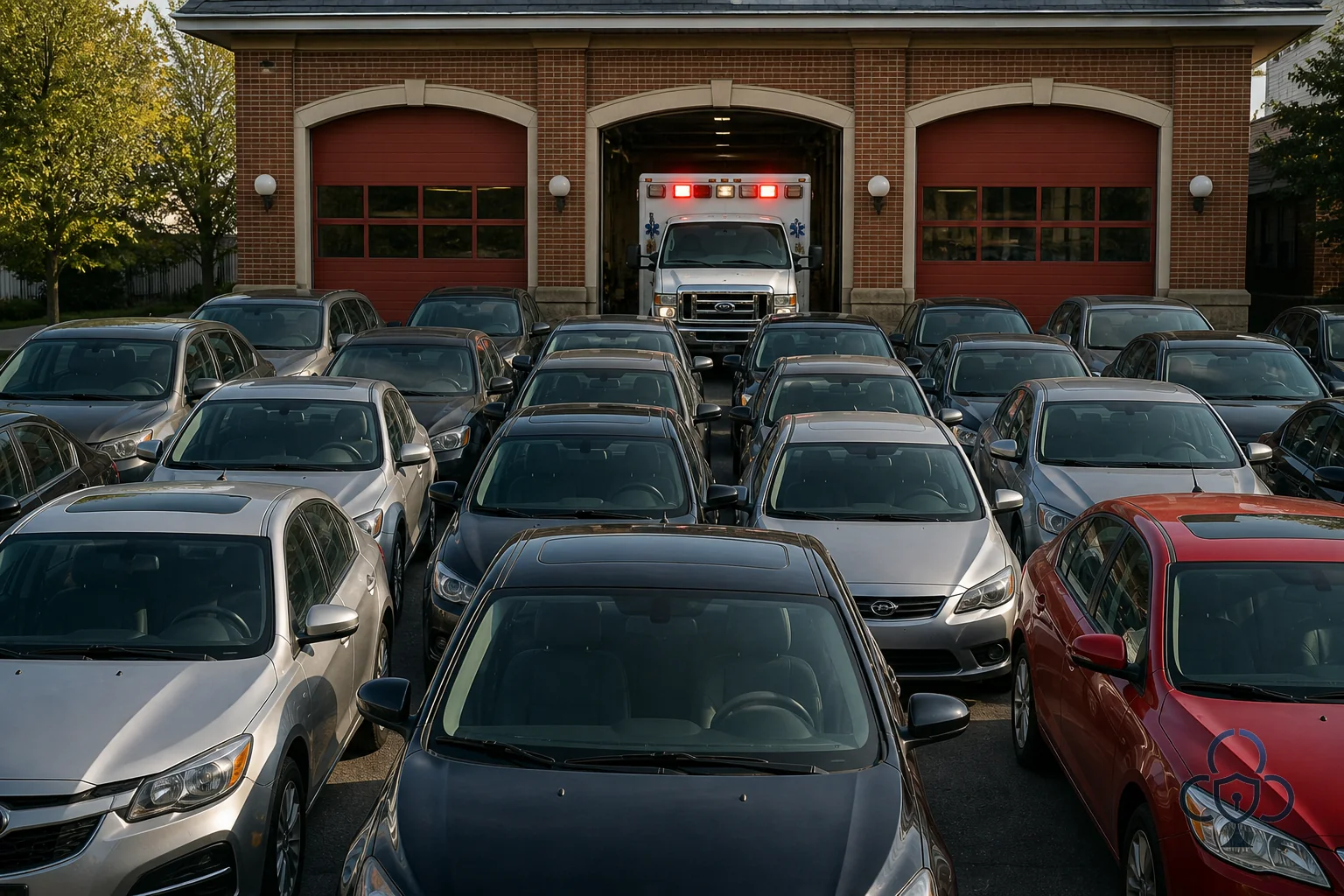
Building resilient teams is mostly a capacity decision, not a motivational speech.
A lot of companies say they value resilience. Then they schedule every strong person at full load, leave no room for recovery, and treat every surprise as a character test.
Quick Answer
Resilient teams need slack, not more heroics, because resilience depends on margin before the crisis starts. If every room, calendar, and expert is already full, small shocks turn into emergencies and leaders end up celebrating rescues that should not have been necessary.
- Slack is operating capacity for investigation, recovery, cross-training, and root-cause work.
- Heroics hide weak ownership, brittle dependencies, and decisions leaders delayed.
- The practical move is to protect margin, clarify ownership, reduce stale work, and stop treating full utilization as proof of performance.
That is not resilience. That is overbooking with better branding.
The part leaders dislike is simple: if your team has no slack, your system has no shock absorption. A sick day becomes a crisis. A vendor issue becomes a war room. A security finding becomes a weekend. An AI rollout exposes data quality problems everyone already knew existed, and suddenly the same three people are asked to “jump in” again.
Then leadership praises the save.
That praise feels good. It is also how fragile systems learn to stay fragile.
Heroics hide bad design. They conceal unclear ownership, weak documentation, brittle dependencies, and decisions nobody wanted to make earlier. The hero becomes the patch. The team becomes addicted to the patch. Eventually, the patch burns out or leaves.
Resilience requires margin. Not laziness. Not low standards. Margin.
Room to investigate before deciding. Room to fix the root cause instead of forwarding the thread. Room for someone besides the expert to understand the system. Room to say, “This is important, but not today,” without being treated like an obstacle.
The strongest teams are not the ones that absorb infinite work. They are the ones that can take a hit and still think clearly.
That means leaders have to stop confusing utilization with performance. A calendar with no gaps is not evidence of commitment. A backlog with no tradeoffs is not ambition. A team that survives only because people keep rescuing the plan is not resilient.
It is lucky.
If you want resilient teams, build the boring capacity before the dramatic moment. Cross train. Document decisions. Clarify ownership. Protect recovery time. Kill work that no longer earns its place.
The system should not require exceptional people to behave exceptionally every week.
That is not a high performance culture. That is a fire drill with snacks.
The same operating model shows up in systems thinking: a team can look efficient locally while the larger system becomes fragile.